An Introduction to Visual Communication From Cave Art to Second Life Vol 2 Susan B Barnespdf
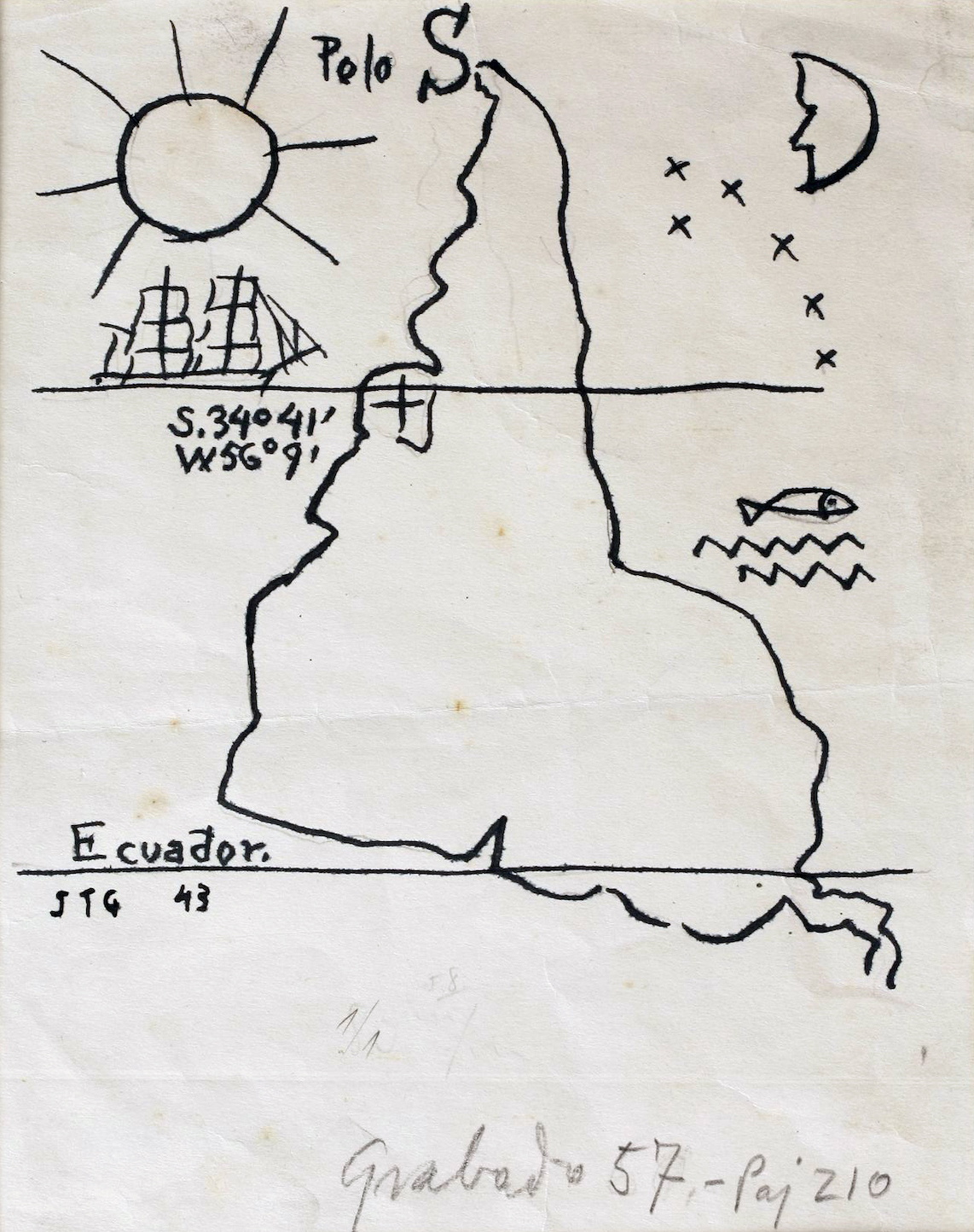
Joaquin Torres-García, América Invertida (Inverted America), 1943, ink on paper, 22 x sixteen cm (Fundación Torres García, Montevideo)
Await closely at this drawing: what do you lot discover? Do yous recognize whatever specific forms?
In his 1943 drawing América Invertida (Inverted America) , Joaquín Torres-García shows the continent of South America turned upside down, with his home country of Uruguay positioned virtually the center in the superlative and heart 3rd, and marked with a + and a horizontal line running through it. A prominent 'Polo S' at the tiptop of the drawing refers to the Due south Pole. Why did Torres-García create this inverted map? At beginning glance, it might appear uncomplicated—a minimalistic ink cartoon—but with close looking and a deeper understanding of how it relates to other maps and ideas, information technology becomes clear that the map is anything but elementary. In a nutshell, Torres-García was enlightened of the ability of images in amalgam worlds and ideas. Let'due south consider the map more closely.
Torres-García's inversion of the Due south American continent might initially seem jarring—and that is intentional. We are accustomed to seeing maps in which the Northern hemisphere is positioned at the top, and the Southern hemisphere (including South America) is at the bottom. With his drawing, Torres-García wanted people to question why mapmakers defaulted to placing the Northern hemisphere at the acme of maps, when in reality the universe is not structured this way—there is no up or down in space. By cleverly rotating the continent 180 degrees, Torres-García highlights the way that maps create meaning and hierarchies, fifty-fifty if nosotros are led to believe that they are objective and free from bias. When he drew this inverted map, Torres-García had for years been trying to transform and overturn the idea that the so-called global northward is more than pregnant—that its art is more than of import and culturally relevant, its histories more complex, and its ability greater. Torres-García straight challenged the hierarchy that N is better than South, and he called for South American artists to ascertain fine art on their own terms rather than in relation to the United States and Europe in the North.
Perhaps yous are wondering: why did Torres-García need to challenge the hierarchy of North-Due south in the first identify? His image creatively engages with other maps that are deeply familiar to most of us—so familiar in fact that the view of the globe they present has become deeply ingrained in our minds.
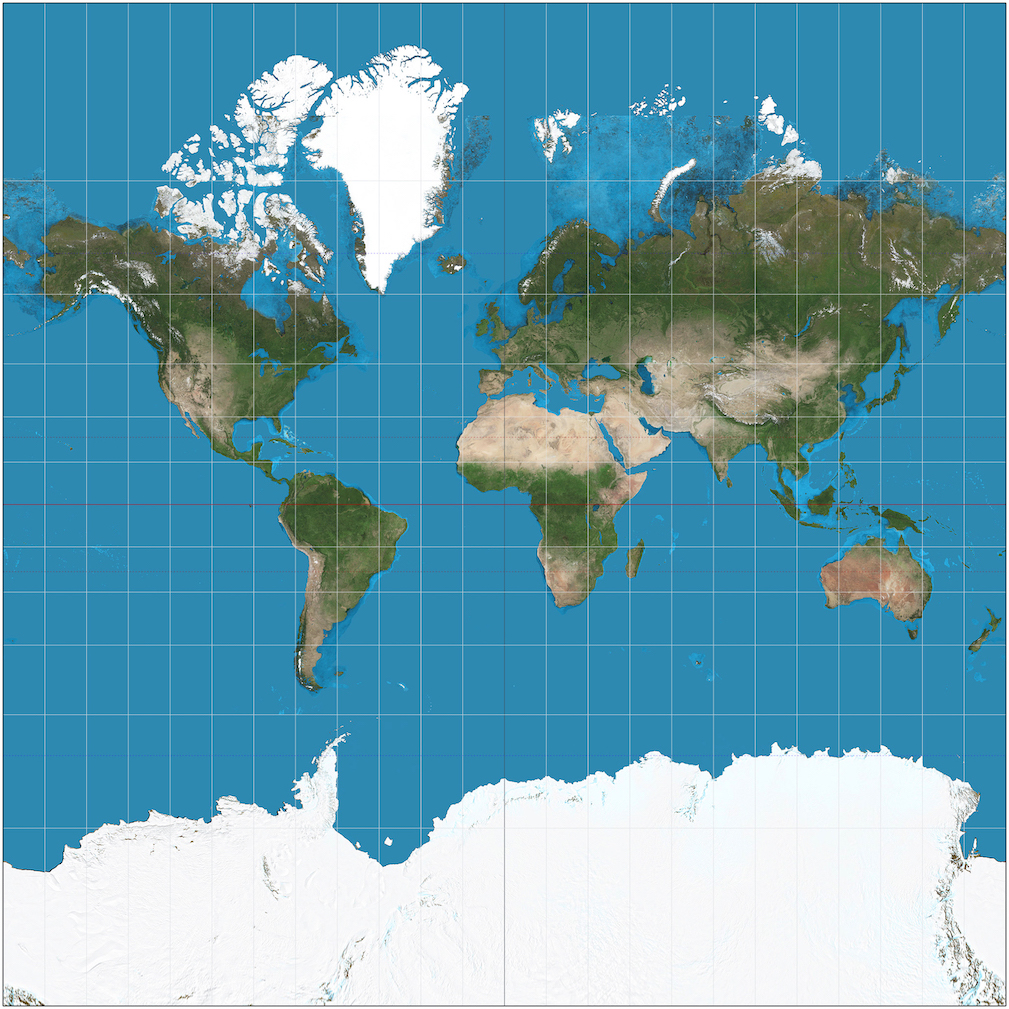
Mercator project (map: Strebe, CC Past-SA 3.0)
The most common map in the world today is the i you encounter here (above), chosen the Mercator project.
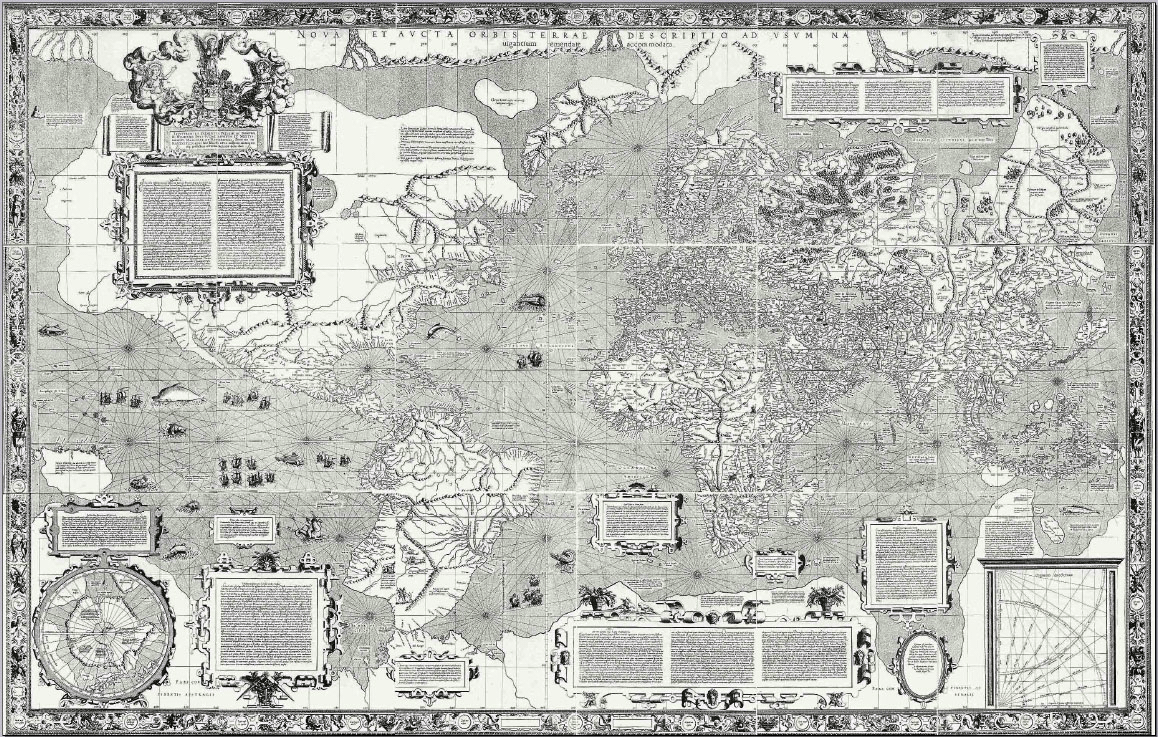
Gerardus Mercator, World Map, 1569
Information technology is based on a map made in 1569 by the Flemish cartographer, Gerardus Mercator. Mercator'southward before map transformed space in a way that would help western European navigators during the and then-called "Age of Discovery," equally they explored lands for resources. These travels also led to invasions of lands across Europe (such every bit the Americas) and the eventual establishment of fifty-fifty more global trade routes, colonial settlements, and the transatlantic slave trade.
It was at this moment that Europeans oriented maps to the north, and the Atlantic Body of water was "centered" in world maps (a turn away from earlier European maps that were centered effectually Jerusalem, a metropolis considered holy past Judaism, Christianity, and Islam). Every bit normal as it might appear to us today, the Mercator projection—both the 16th-century original and the map nosotros often see today—is really heavily distorted, and does not represent the size of landmasses accurately. Take a expect at Due south America on the Mercator projection (once more, based on Gerardus Mercator's earlier map) and compare it to Europe—they wait similar in size. Likewise, Africa and Greenland are the aforementioned size.
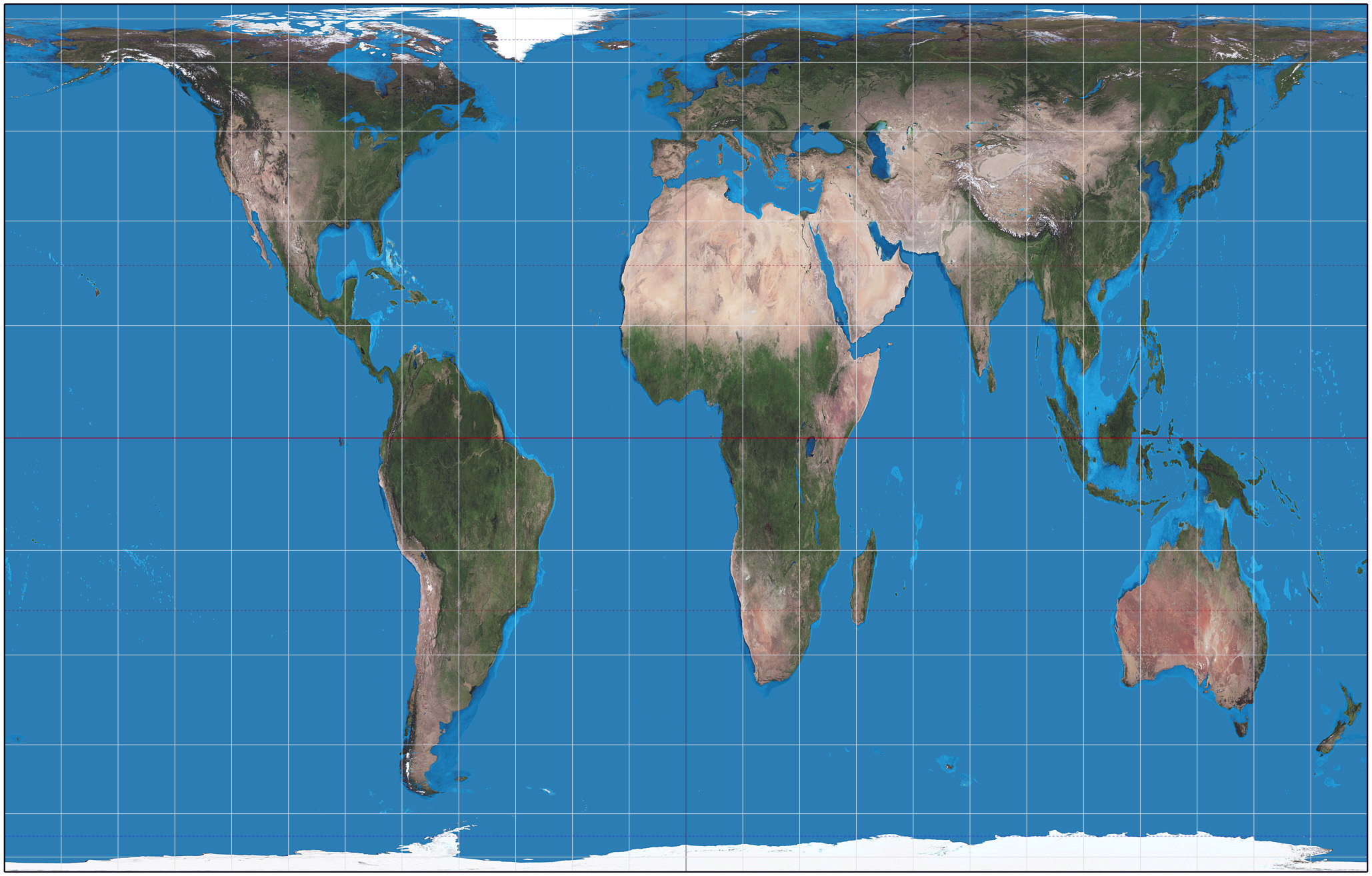
Gall-Peters projection (map: Strebe, CC By-SA 3.0)
The Gall-Peters projection is a more accurate representation of the size of landmasses—South America is double the size of Europe, and Africa is about fourteen times the size of Antarctica. [i] Torres-García'south Inverted Map calls attention to the problems and biases with mapmaking, and the values fastened to places by their perceived size and location.
Torres-García's map doesn't just draw our attending to issues with mapmaking though. His drawing too critiques fine art history:His inversion prompts us to reverberate on what is called the fine art historical canon—the gear up of art and architecture that over time has received the most attending and prioritization from fine art historians (and across!) and that has been codified every bit the virtually important to report and learn about.
We might ask though: who fabricated these decisions? How and why did they make them, and fifty-fifty when were they making them? Whose stories are told, and who gets to tell them?
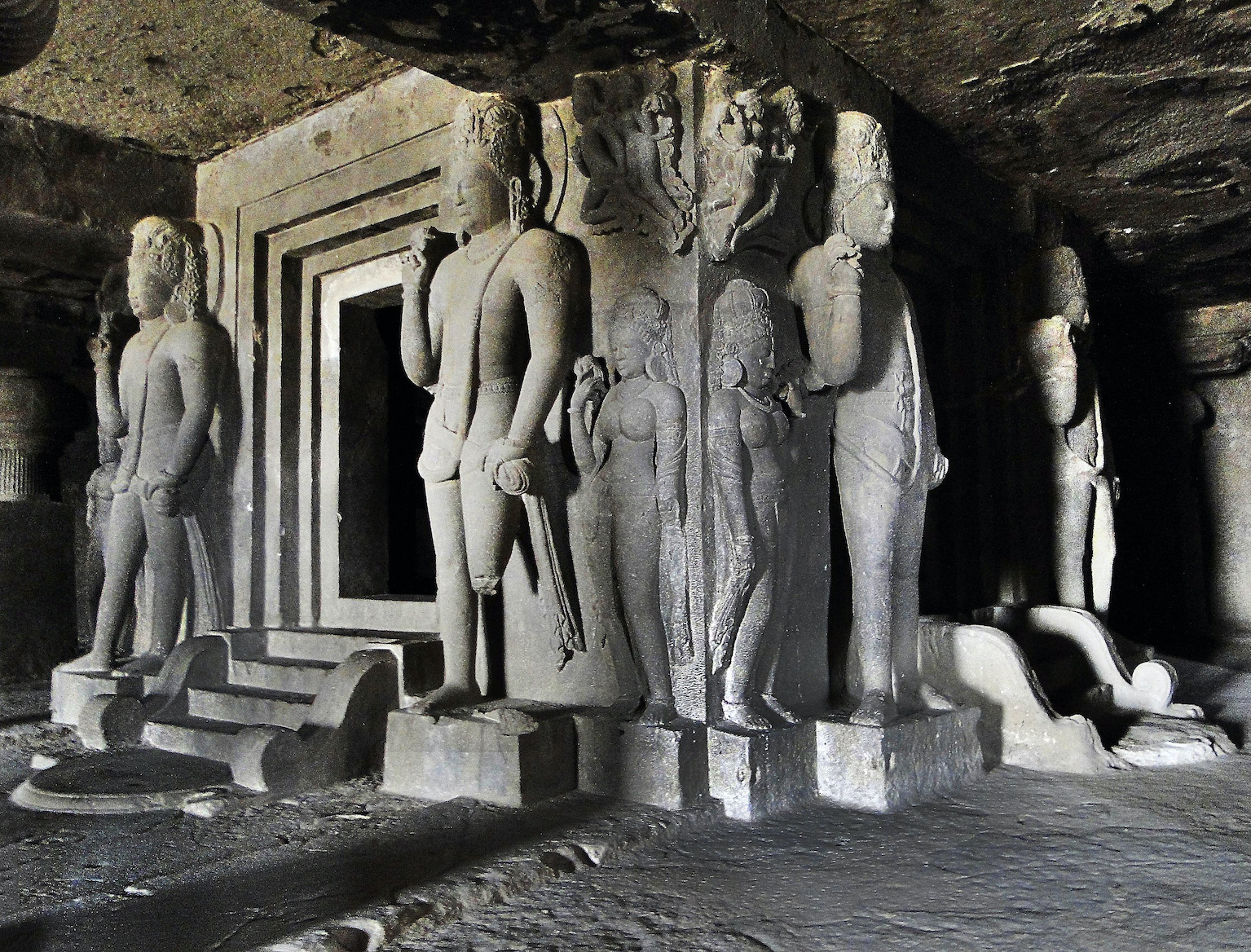
Rock-cut linga shrine in Cavern 29, c. mid-6th century, Ellora, India (photo: Ronakshah1990, CC By-SA four.0)
For a long time, the canon privileged white, male, European and Euro-American fine art and artists; while that has started to shift, there is much more work to be done to create a more than counterbalanced, equitable history of art.
And information technology has not merely been certain types of artists and places that have been privileged, simply even sure types of media. For case, while the catechism has often historic statuary and marble sculpture, painted wood, alabaster, stucco, and even living rock-cut sculptures have proliferated amongst peoples throughout time in regions across the world.
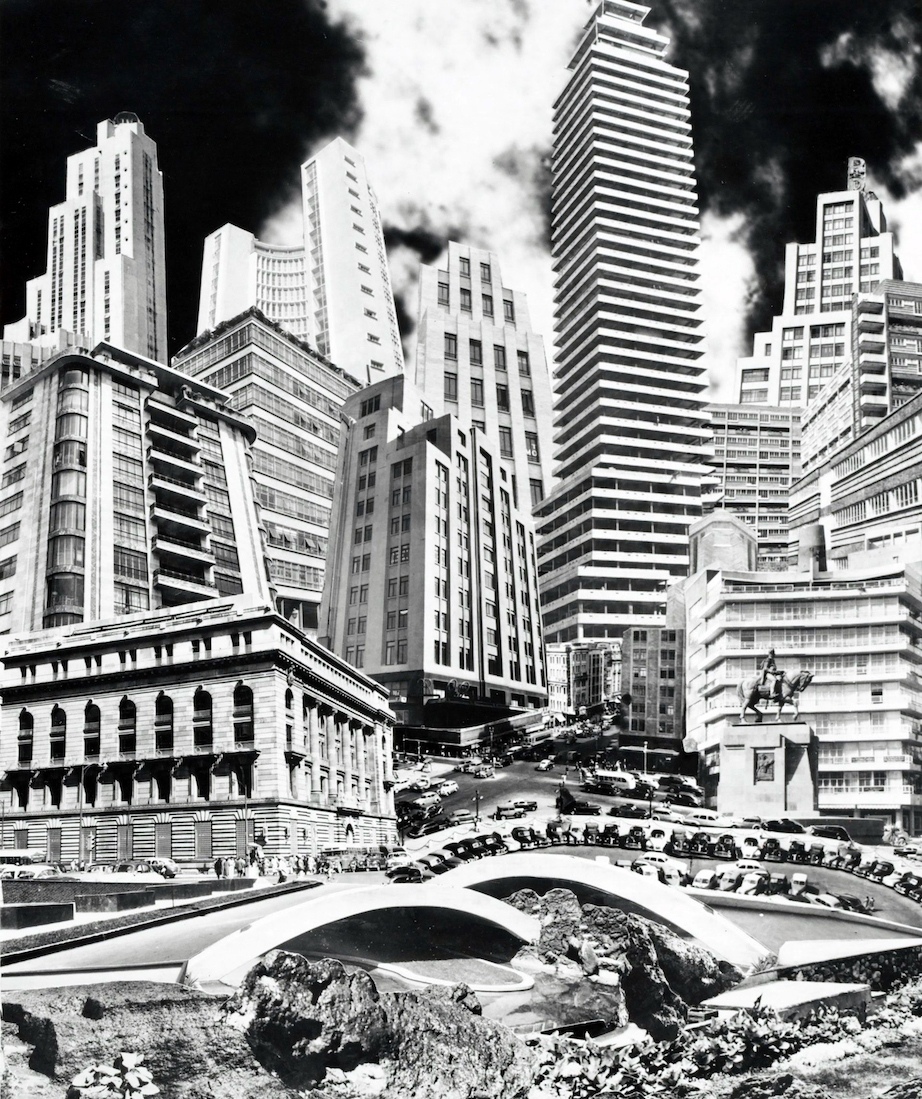
Lola Álvarez Bravo, Anarquía Arquitectónica en la Ciudad de México (Architectural Anarchy in United mexican states City), 1954, gelatin silver print, 21.4 ten 17.vii cm (© Center for Creative Photography, The University of Arizona Foundation)
Ideally, we could have an art history that non just highlights the marble sculptures of Roman emperors, Michelangelo'due south David , or Picasso's cubist paintings—but also bronze Shang dynasty ewers, the rock-cut churches of Lalibela and the caves of Ellora, the city of Cahokia, the modernist photographs of Lola Álvarez Bravo, and the contemporary Northwest Coast carvings of knowledge bearer and artist Nathan Jackson.
Torres-García'south reframing in América Invertida encourages united states of america to not only look closely at what we see, but besides think critically. Information technology prompts us to pause and reflect on how certain geographic regions, art, and artists have been upheld equally more important—and how those choices can exclude and marginalize people, or fifty-fifty distort how and what we think about the histories of fine art. The get-go time I saw Torres-García's inversion every bit an undergraduate pupil I felt disturbed and even a bit uncomfortable, nonetheless intrigued and reflective. For me, these varied reactions suggested that the prototype achieved its goal, and still today they remind me of why art and art history matters in the 21st century.
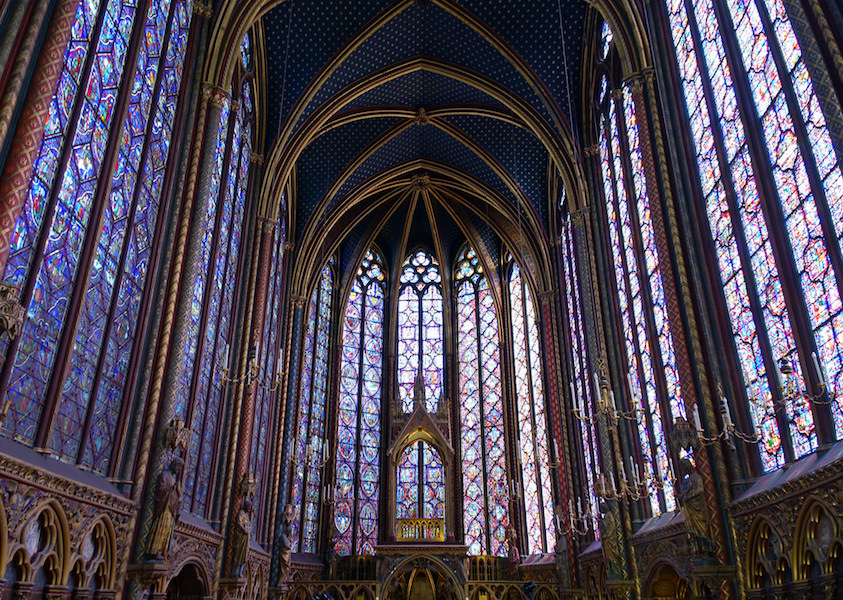
Sainte-Chapelle, Île de la Cité, Paris, 1248 (photo: Steven Zucker, CC By-NC-SA 2.0)
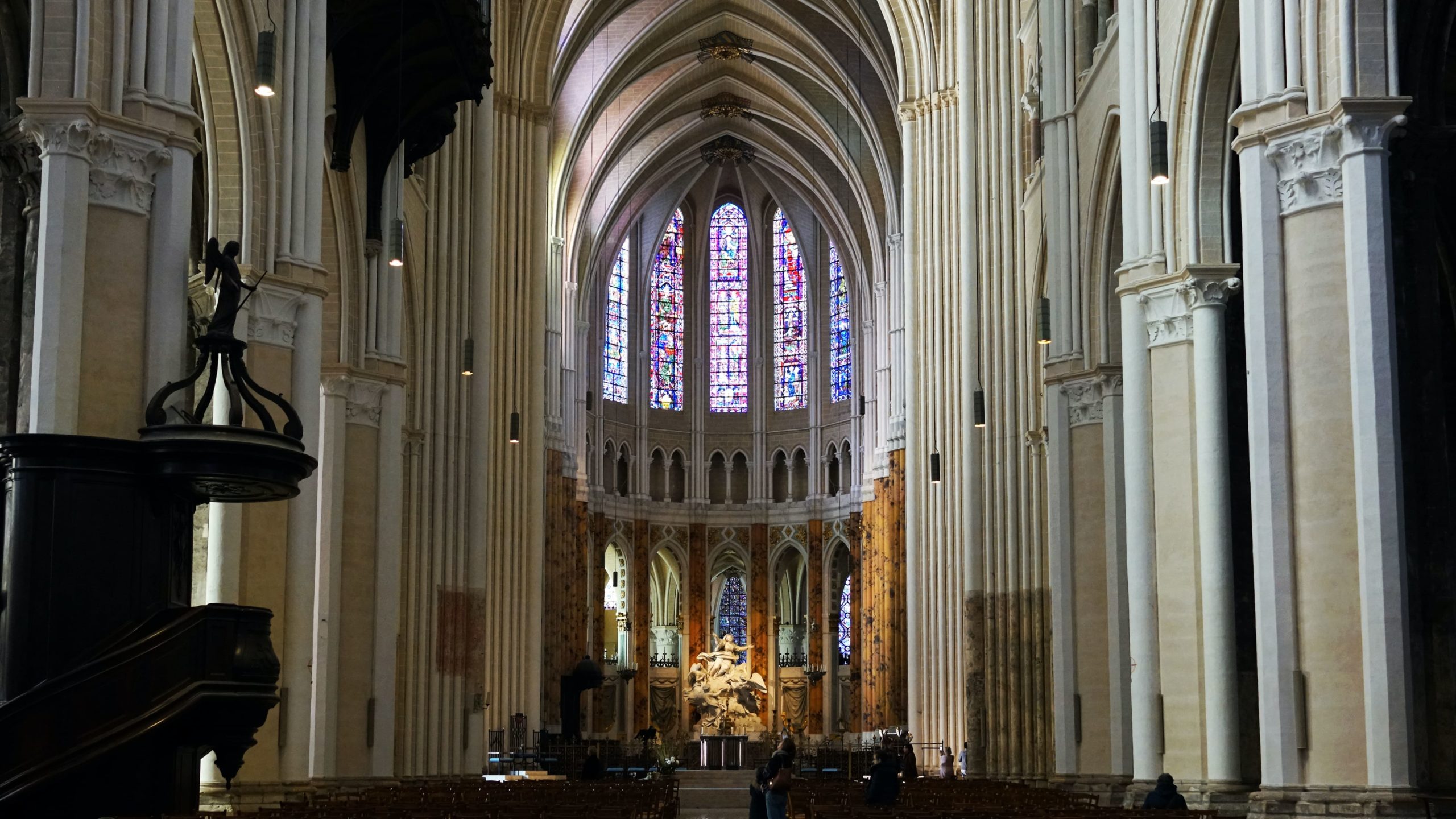
Art not just has the ability to provoke and disturb, but also to comfort and soothe, amuse and captivate. Prompting a unlike type of response than Torres-García's small paw-drawn map, at least for me, is being enveloped by a space such as the Gothic Sainte-Chappelle in Paris. The concrete feel of this space overwhelms me with its kaleidoscopic stained glass windows that soar up, showing more than than 1,000 scenes from the Old and New Testaments . Why was information technology congenital, and what role did it play in the past and does information technology all the same play today? Information technology was in fact a purple chapel, congenital to house precious Christian relics for the French monarchs, yet the gem-colored infinite is besides a testament to the engineering innovations of the 12th and 13th centuries—delicate drinking glass seems to hold up the edifice.
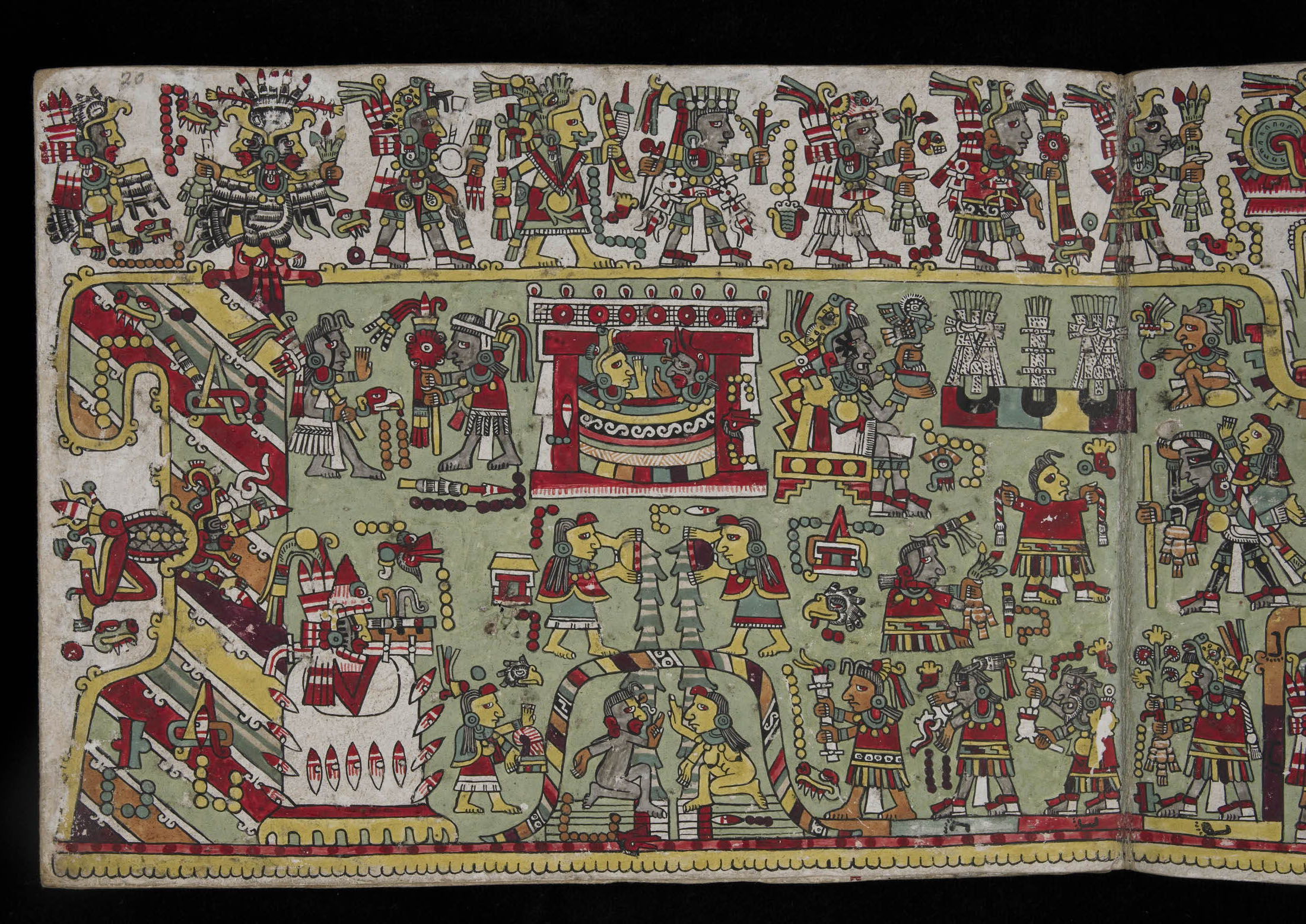
Codex Zouche-Nuttall, 1200–1521, C.E., Mixtec, Late Postclassic period, deer skin, 47 leaves, each 19 x 23.5 cm, United mexican states (© Trustees of the British Museum)
Beingness introduced to unfamiliar artworks can besides spark our interest and marvel in learning more than about a culture's fine art and history. As a sophomore Biology major in college, I took my first fine art history classes to fulfill General Teaching requirements. I will never forget the moment i professor displayed an epitome from the Codex Zouche-Nuttall, made by a Mixtec (Ñudzahui) creative person in what is today Mexico almost the ballsy story of the ruler Lord 8 Deer Jaguar-Claw. I had never seen anything like it before (sadly). To begin to understand the complex picture-writing it involved and to dig deeper into stories and histories that were unknown to me, well, it was every bit thrilling then as it is today.
As you read this introduction, accept a moment to run into what catches your center.
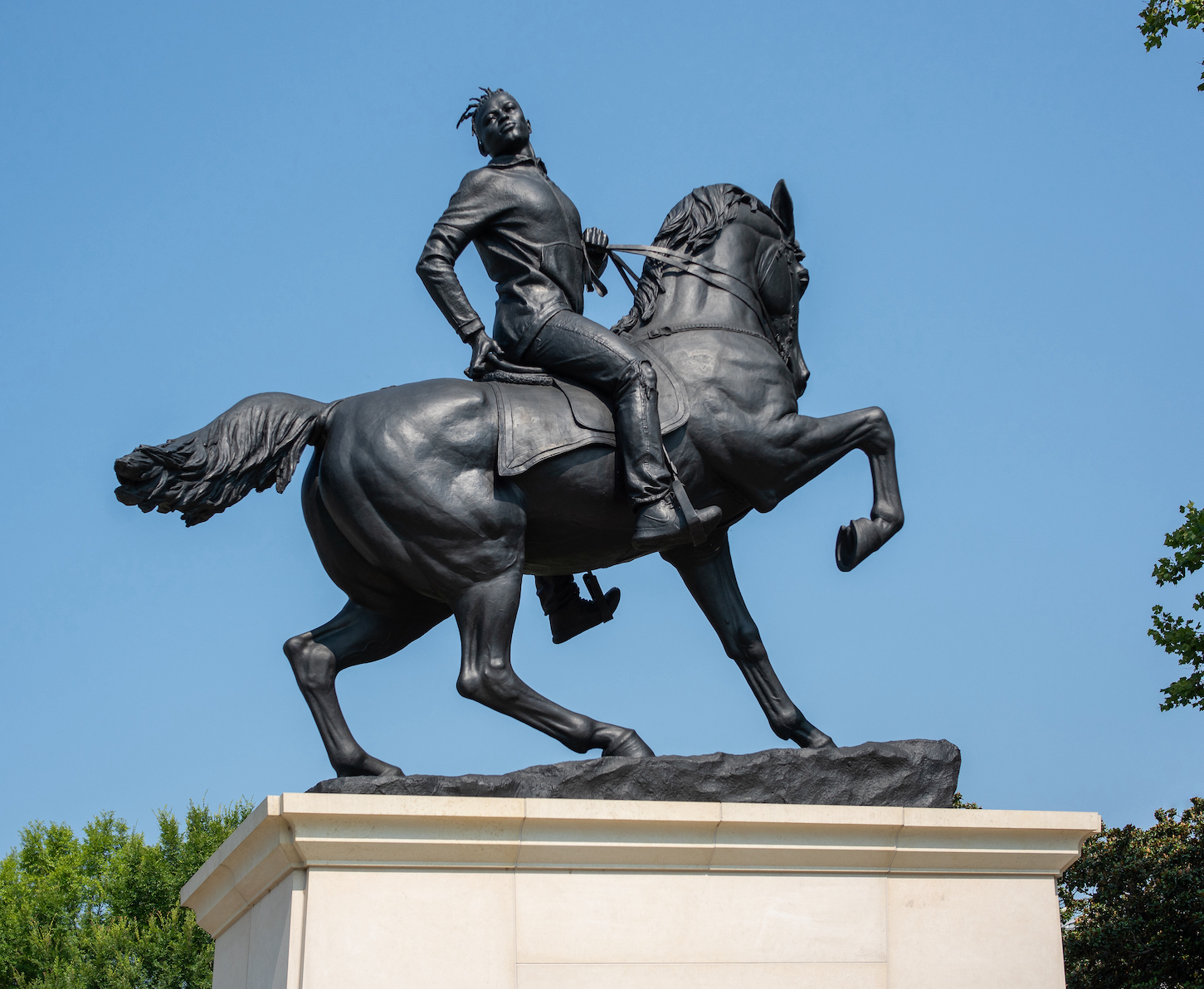
Kehinde Wiley, Rumors of State of war, 2019, statuary, viii.ii m tall x iv.9 thousand long (Richmond Museum of Fine Arts, Virginia)

In these toxic times fine art tin aid usa transform and give us a sense of purpose. This story begins with my seeing the Confederate monuments. What does it experience similar if you are blackness and walking beneath this? Nosotros come from a beautiful, fractured state of affairs. Let's take these fractured pieces and put them back together.
— Kehinde Wiley
Why does art and fine art history matter?
Kehinde Wiley's Rumors of State of war looms higher up viewers, encouraging them to consider a more inclusive story of American art and history. The enormous sculpture was exhibited in 2019 in Times Foursquare in New York City and now sits in forepart of the Virginia Museum of Fine Arts in Richmond. The bronze equestrian sculpture displays an African American homo in Nike shoes, a hoodie, and jeans atop a powerful horse who rears upwards as the rider remains calm. The sculpture provides a counterpoint (and counternarrative) to the once-nearby sculpture of Confederate full general J.E.B. Stuart. Information technology besides draws on centuries of paintings and sculptures of powerful white men on horses. Wiley's sculpture, and the sculptures of Confederate leaders displayed in Richmond along Monument Avenue until recently, took on new layers of meaning in 2020 as conversations and public protests turned more pointedly to the question of why Blackness lives matter and to the role of fine art in public places. As sculptures of Confederate leaders and other white supremacists were toppled, defaced, or removed, many people continued to ask: what is the role of art in public spaces? Why should we care about art at all? How does art challenge problematic narratives or work to uphold them? Can art facilitate reconciliation? Can learning art'southward histories make us more compassionate?
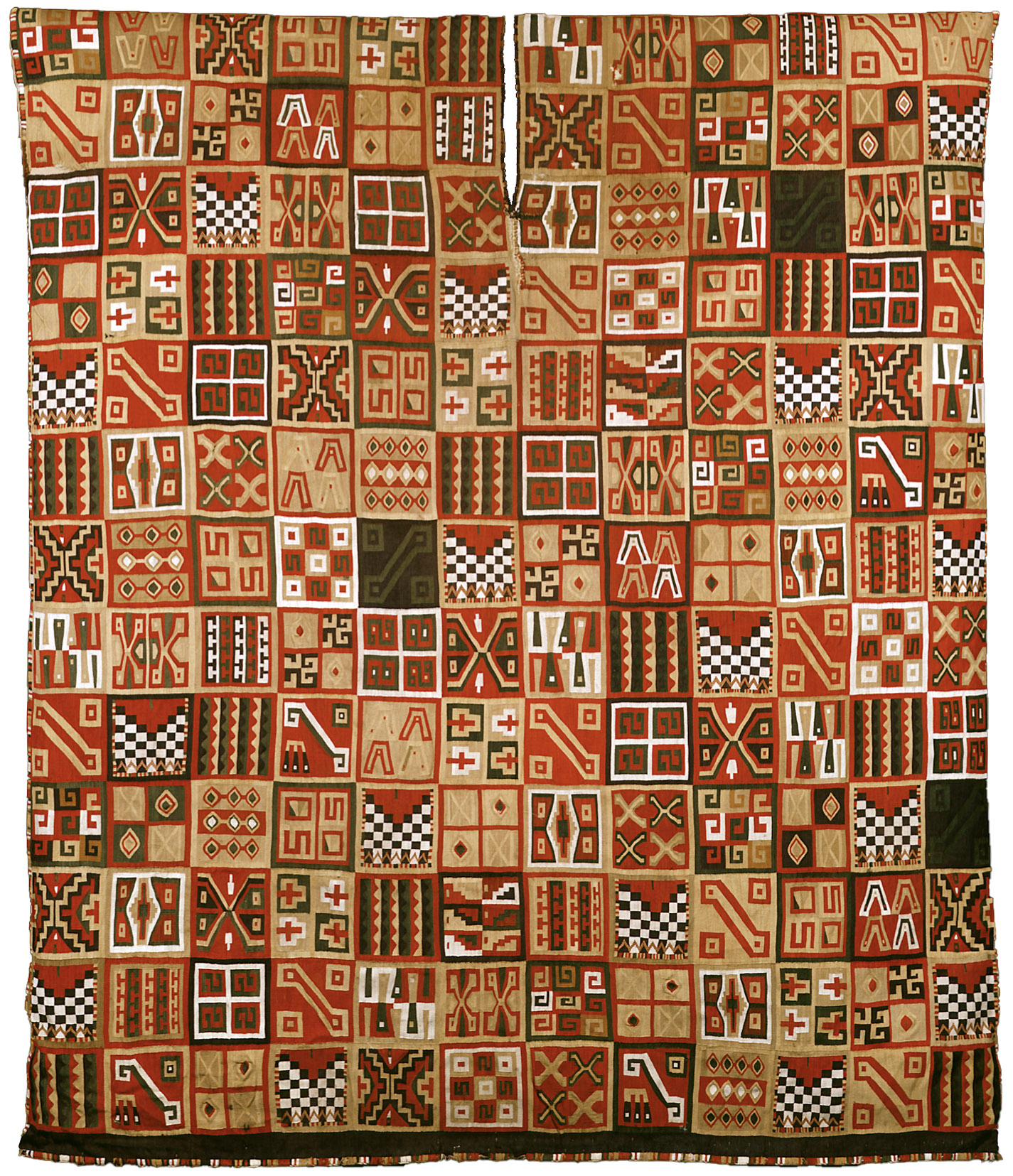
All-T'oqapu Tunic, Inka, 1450–1540, camelid fiber and cotton, 90.2 x 77.xv cm (Dumbarton Oaks, Washington D.C.)
Fine art, or at least the material objects and built spaces that nosotros today refer to as "art," has e'er been important. Still, the meanings attached to things and spaces take not but changed over fourth dimension, merely also are culturally constructed. For example, an Inka textile made of camelid cobweb was worth far more (symbolically and materially) to them than objects made of gold or silver, and yet for the Spaniards who would invade and topple the Inka Empire in the 1530s, the metals were more desirable.
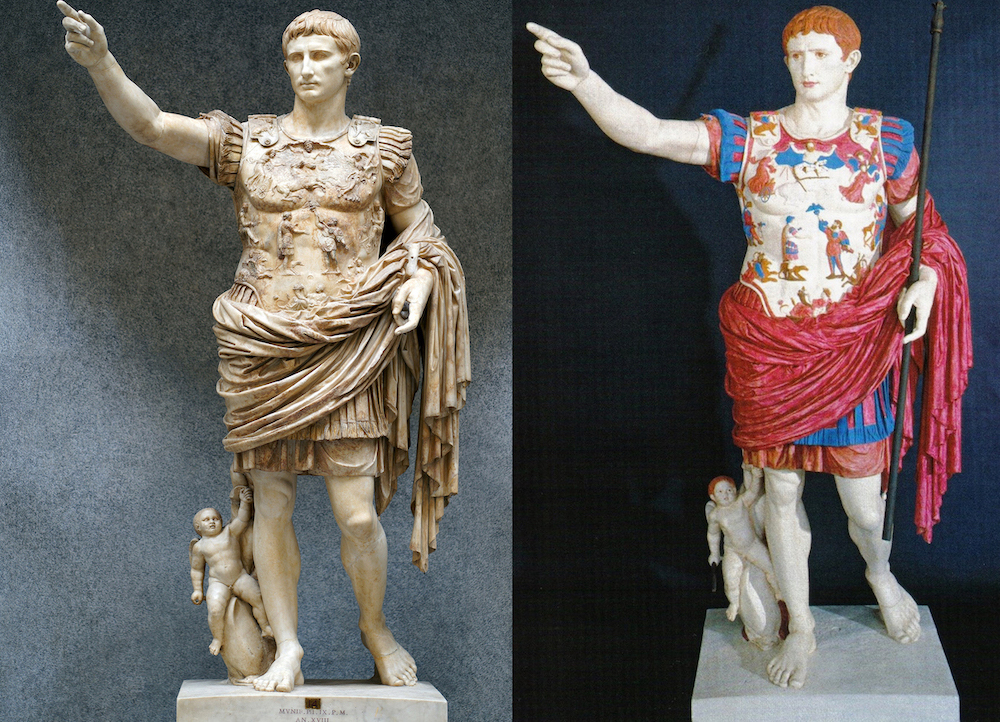
Left: Augustus of Primaporta, 1st century C.E., marble, 2.03 meters high (Vatican Museums) (photograph: Steven Zucker, CC Past-NC-SA 2.0); correct: possible polychromy of Augustus of Primaporta
Another example would be the 18th- and 19th-century European and Euro-American interest in ancient Greek and Roman sculpture and compages, prized in office for their supposed creation in white marble, which inspired new buildings and sculpture. Nonetheless we know now that Greek and Roman sculpture used to exist brightly painted in color. Still, individuals in the 18th and 19th centuries equated dazzler with pure white marble, transforming how Greco-Roman art was understood and appreciated and establishing biased standards of what constituted "good" art and architecture across media. With the video below near Picasso'southward Quondam Guitarist, you will besides consider the thought of beauty, and how it too is culturally constructed (or fifty-fifty a personal preference).
Studying the histories of art is an engaging and important mode to consider issues of identity, ability and propaganda, race, gender, cross-cultural contact, discrimination and resiliency, spirituality, and more. As the many examples discussed in this textbook address, fine art did not and does not but illustrate ideas, but actively encodes them. Moreover, for cultures that did not have a written linguistic communication, the material and visual record is all the more important considering it is the primary manner in which we larn about them.
The following essays and videos address the issues raised here in more detail.
Short videos that introduce important issues in fine art history
What work of art inspired you? Art historians answer.
Read Now
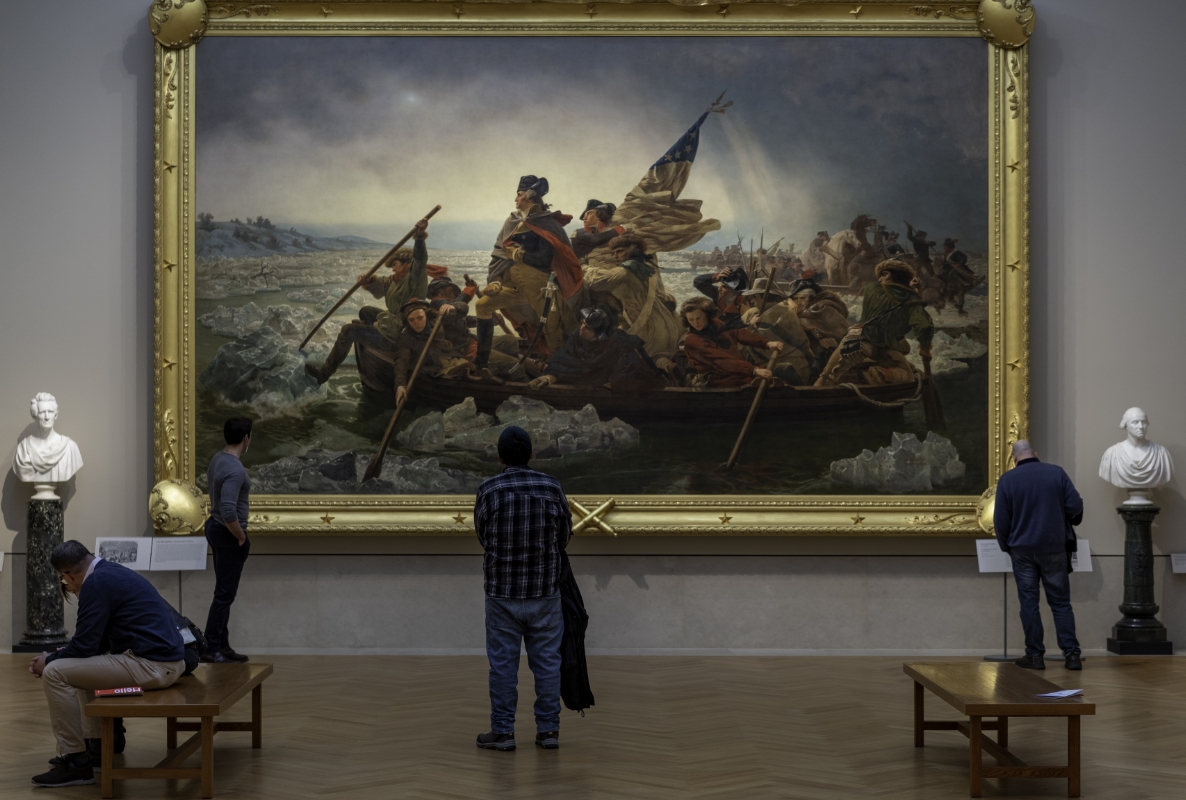
Ever wondered . . . why study art of the past? Art historians respond.
Read Now
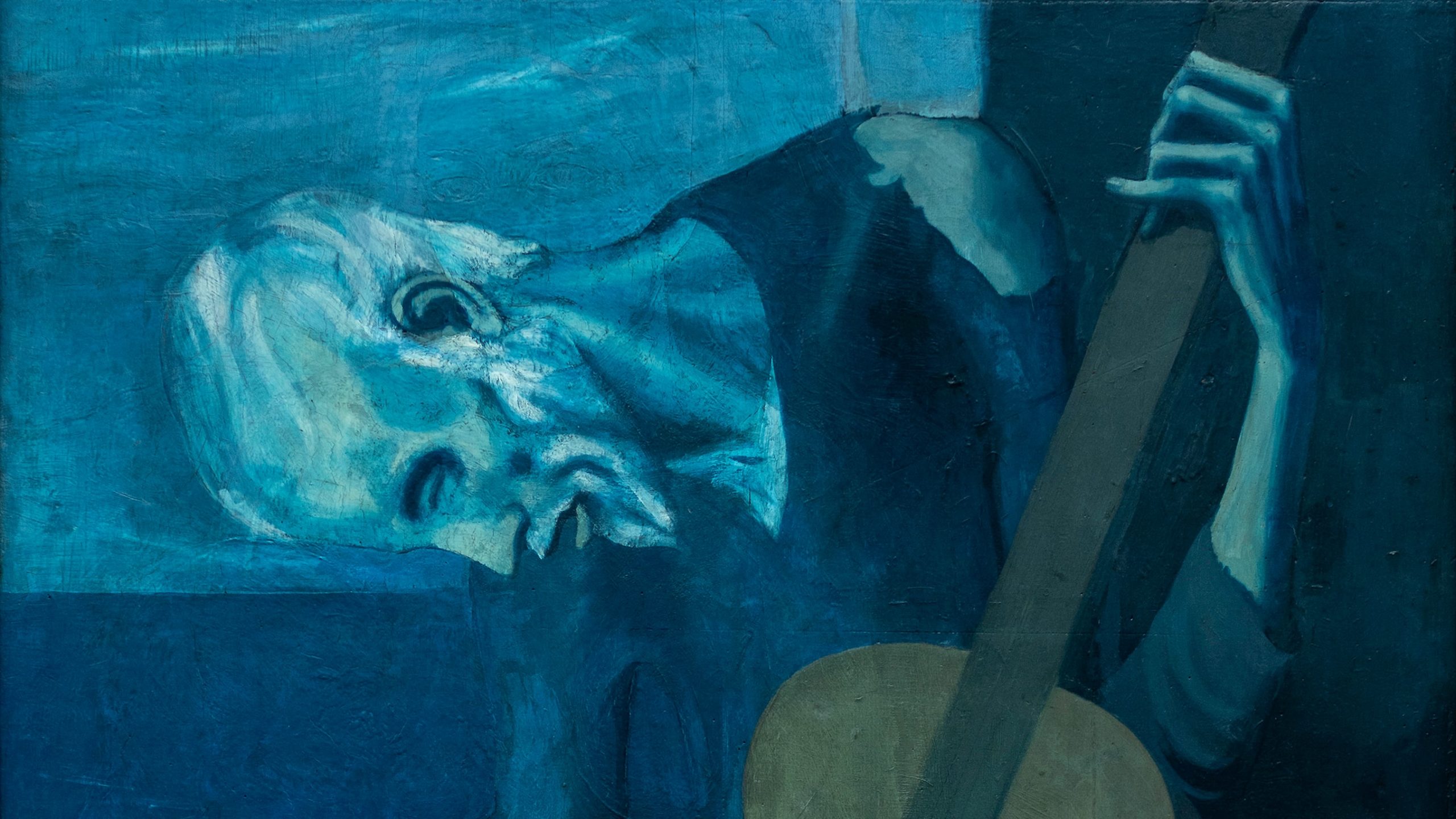
Does art take to be beautiful? And just what is dazzler anyway? Explore these questions with Picasso'south Old Guitarist.
Read Now
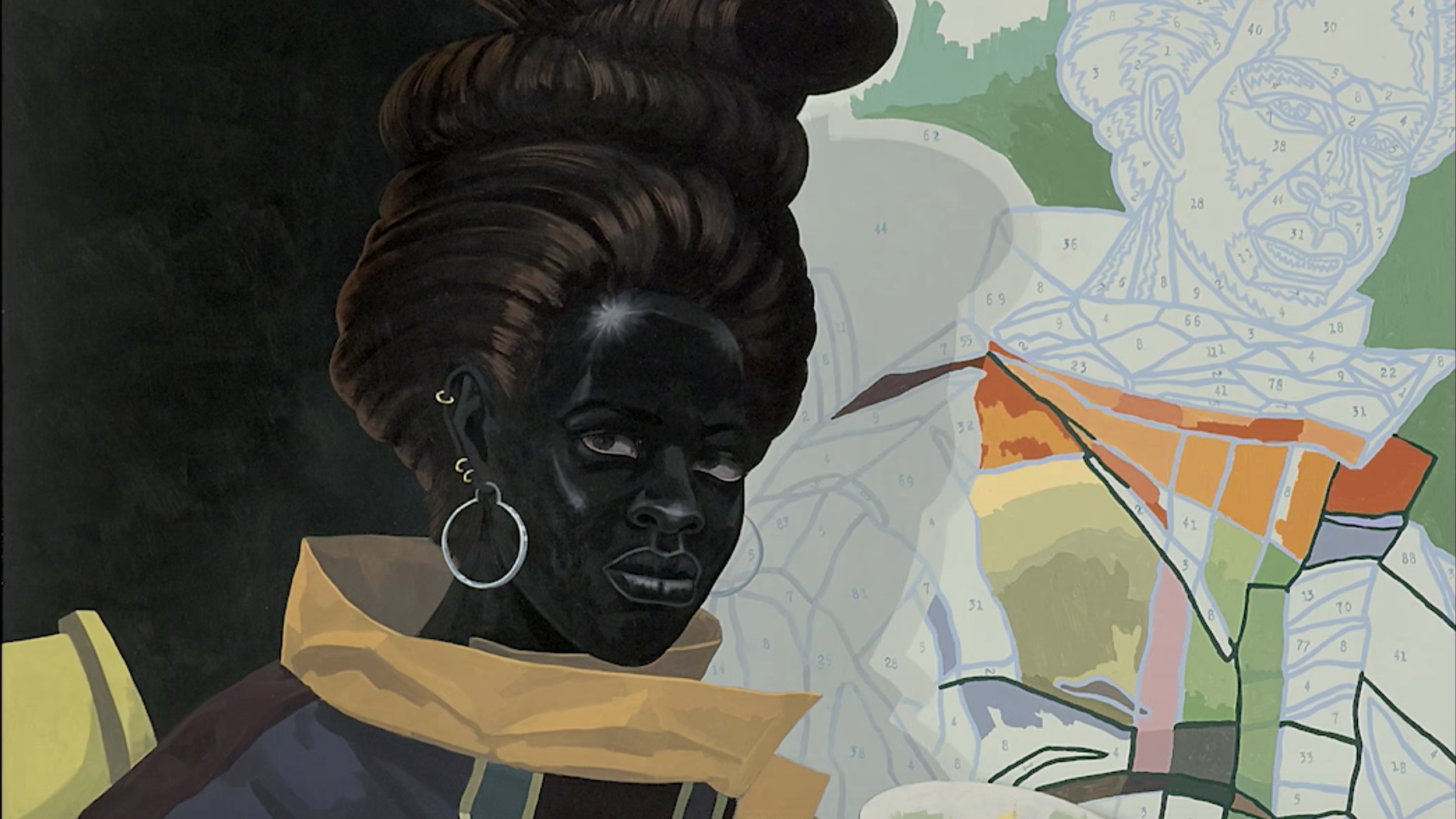
What does it mean to be an "old master" and to brand a "masterpiece"? The artist Kerry James Marshall discusses.
Read At present
/4 Completed
Introduction to fine art history and art historical analysis
Now that we have established why fine art and art history matters, permit'due south unpack in more detail what fine art history is (every bit a discipline or bailiwick) and how art historians analyze art. This section provides a foundation for what yous will read and begin to do in your introductory art history classes and across. Information technology also introduces you lot to more of the issues confronting art historians today.
Essays about art history
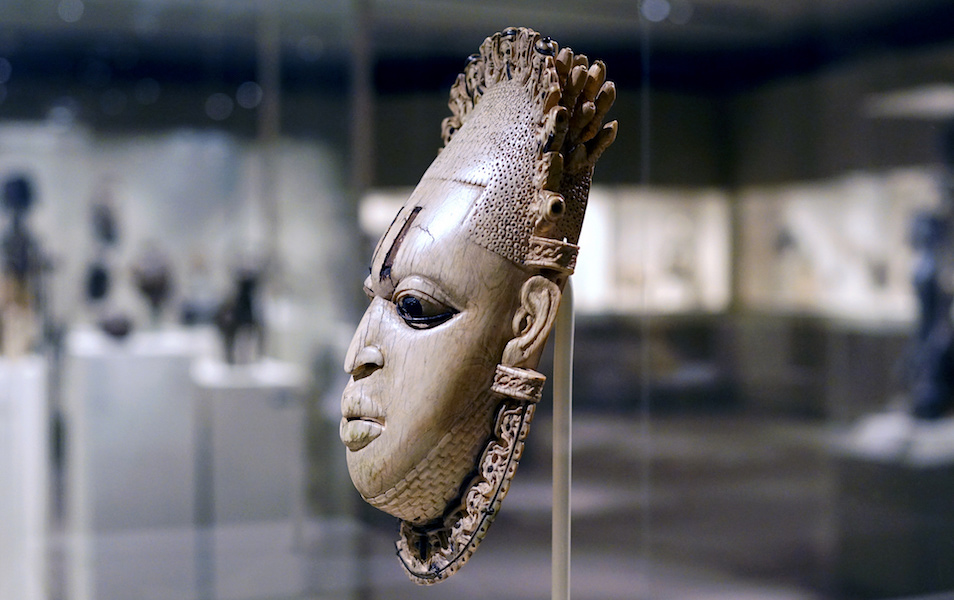
What is art history and where is it going? Methods change, the catechism expands, and we write history anew. Likewise long focused on the West, the field is going increasingly global.
Read At present
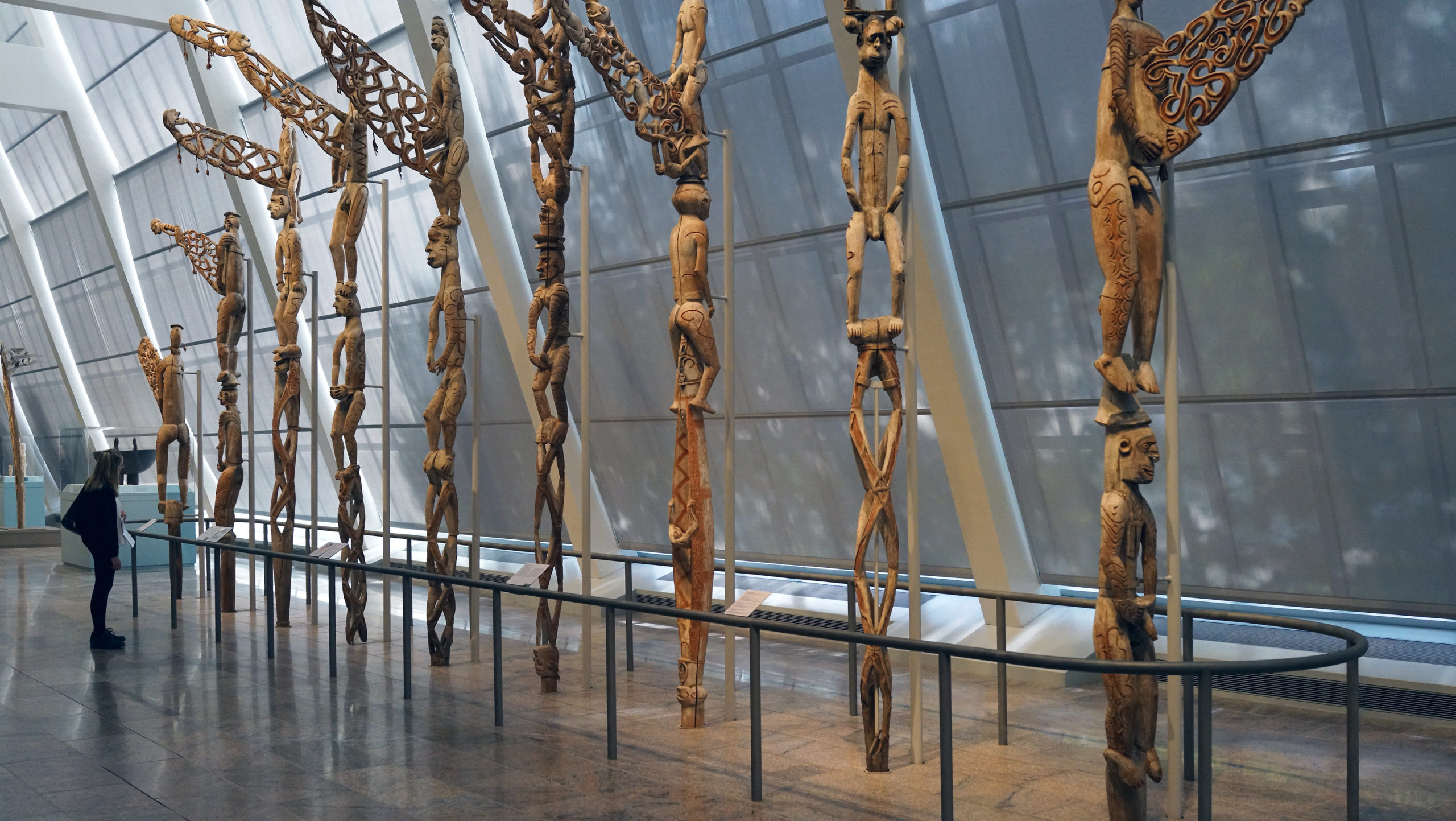
Fine art history and earth fine art history: "Art history is relevant" is not how the discipline of fine art history is typically framed in pop discourse.
Read Now
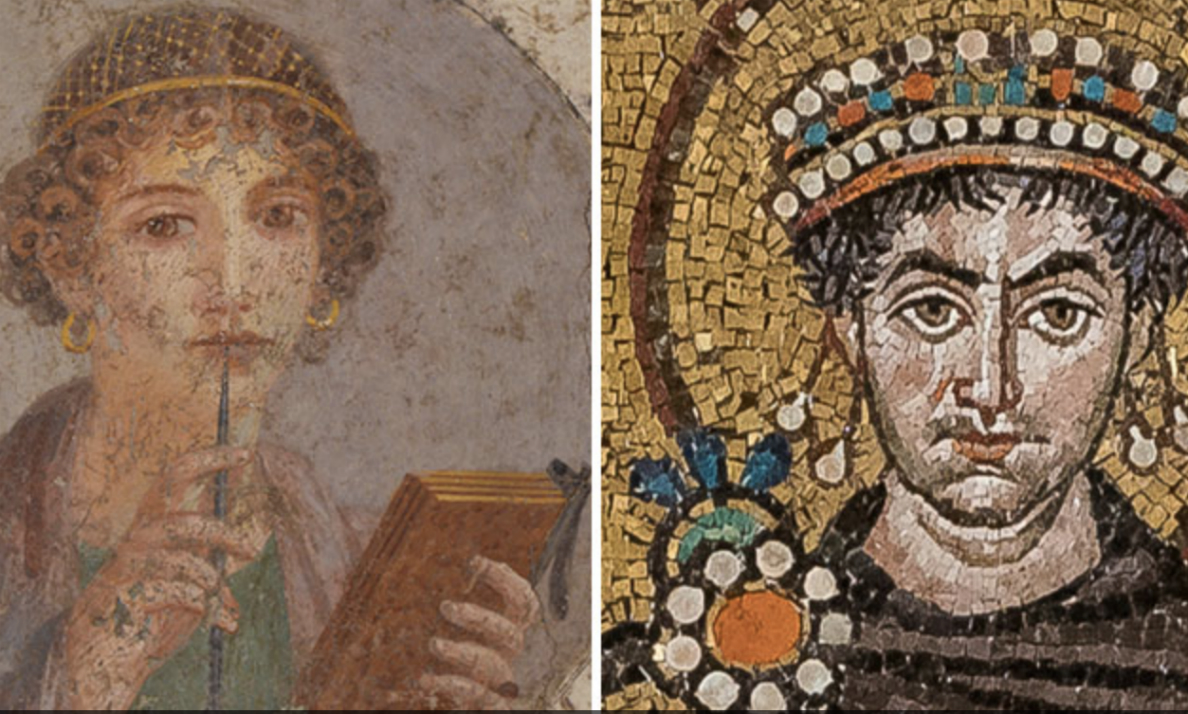
Introduction to fine art historical analysis: We can approach an artwork as a physical object, a visual experience, a cultural antiquity—or as all 3.
Read At present
/3 Completed
The skills you volition larn studying art history are many—and lucky for us, they utilise to any career path we might find ourselves on. Learning to look closely and to clarify the forms you are seeing is a useful life skill to call back more critically about our intensely visual world (Social media! Advertisements! Movies! Video games! And then much more than!), merely it might likewise assist you wait closely as a medical medico (diagnosing depends on the ability to draw what you meet ) , graphic designer, website designer, or fiscal planner. Translating what you lot come across into written or oral class is another skill—y'all will acquire to articulate better what you encounter and to use more precise linguistic communication to say what you mean. Writing about fine art volition sharpen your compositional and advice skills—so useful in any career! Other skills you will develop or refine are maybe less obvious: engaging with art from beyond the globe, from different cultures, time periods, faiths, and more, inevitably helps u.s. to deepen our empathy.
How museums and the art market place shape meaning
Before nosotros plough to a few useful approaches to analyzing art, information technology is of import to consider how museums shape meaning. Many of u.s.a. will at some bespeak become to museums and appoint with works of art on display from a museum's drove or equally a office of a traveling exhibition. Our run into with art in a museum is non a neutral experience however, so it is useful to have some knowledge of how museums create narratives and even how collections can shape what we deem important. Some museums originated during periods of colonialism and imperialism, which is an important context to keep in mind non only for how a museum took shape, but also how an institution today may or may non acknowledge that legacy.
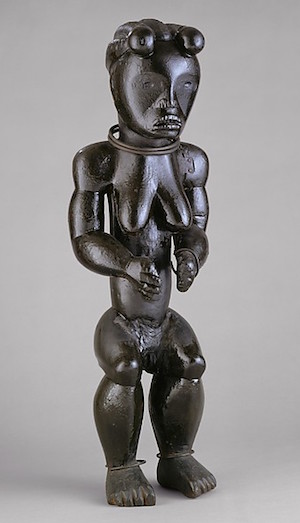
Figure from a Reliquary Ensemble: Seated Female, 19th–early 20th century, Fang peoples, Okak group, Gabonese republic or Equatorial Guinea, wood, metal, 64 x 20 x 16.5 cm (The Metropolitan Museum of Art)
A pointed case: the European colonization of much of the African continent in the 19th and 20th centuries resulted in the removal of objects from African nations to European collections; many of the objects chosen were ones that Europeans accounted nigh important or worthy of brandish, which has had a long-lasting impact on what survives today, what is taught every bit most of import, and more. Read more almost this in the essay below.
An essay about the reception of African art in the W
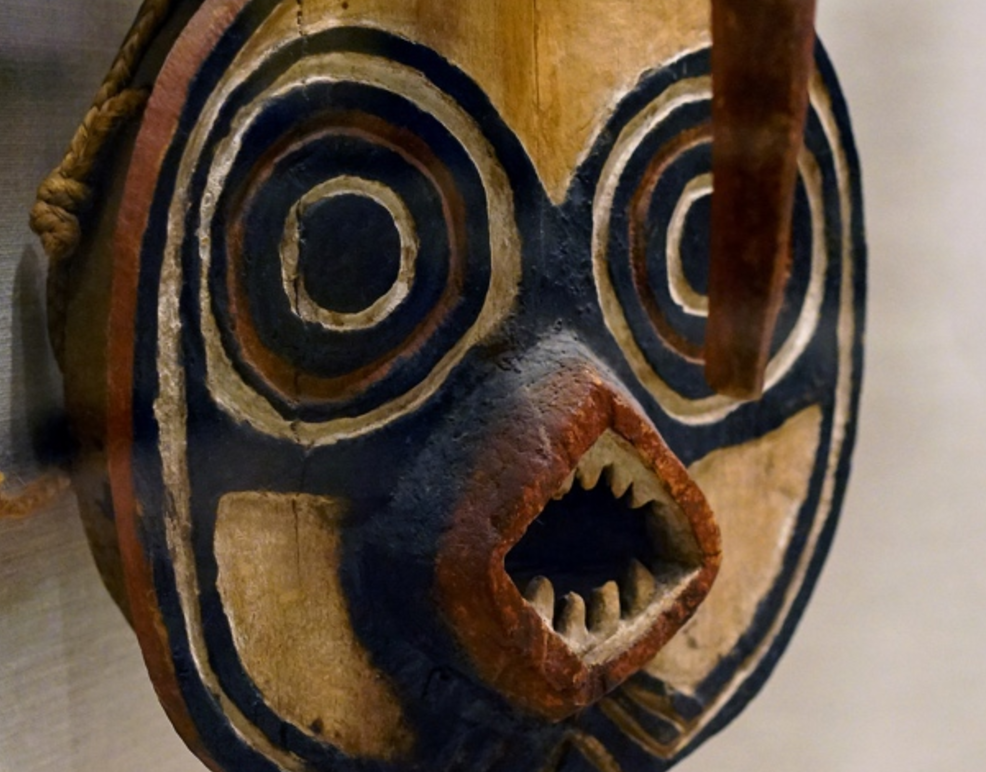
A "curiosity"? Initially, westerners saw African art as a mere "curiosity," but this began to alter with the appearance of modernism.
Read Now
/1 Completed
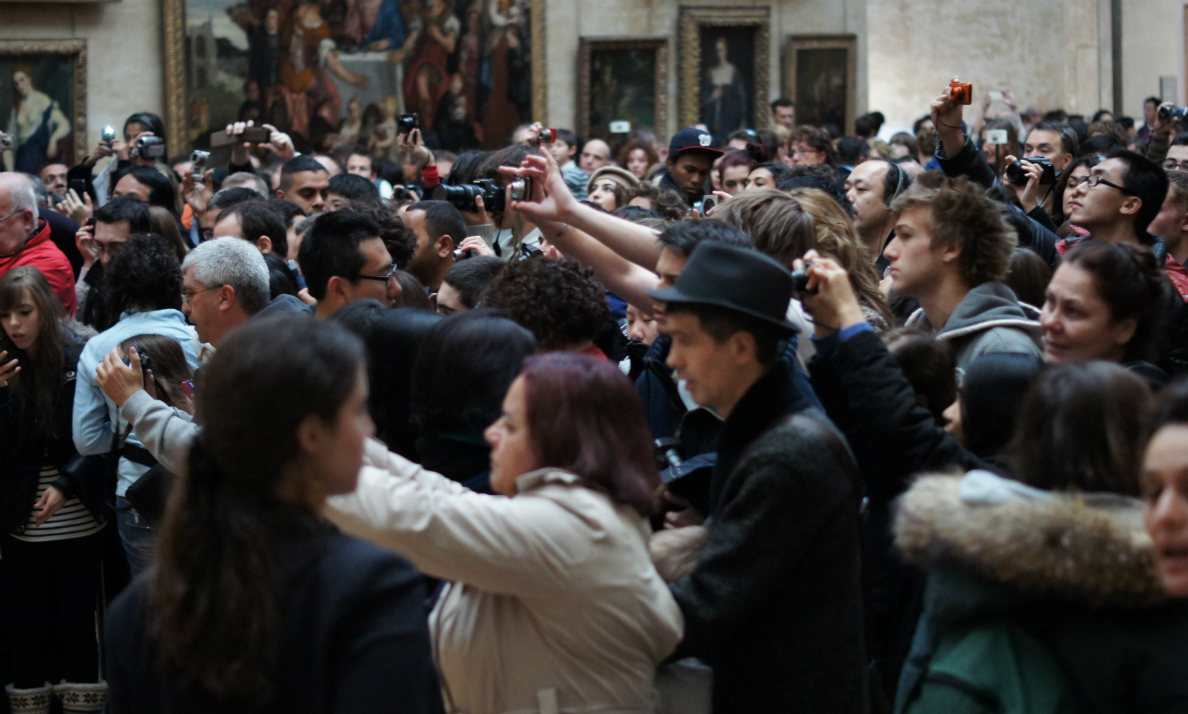
Moreover, how an artwork is displayed in museums matters. Is it hanging on a wall, enclosed in a glass instance, or elevated on a plinth? Is information technology lone on a wall or nearby to other artworks? What wall text (if any) accompanies it? What type of lighting and wall color surround an object? These are all choices that bear on our feel and understanding of an artwork, and help united states of america to call back nigh what narrative or meaning is created by its display. Also, how art is presented to us in other contexts—mayhap on Instagram, in someone'due south firm, or on the street—shapes what we think nigh art (or whether we might fifty-fifty label it as 'art'), and can do so in very different ways.
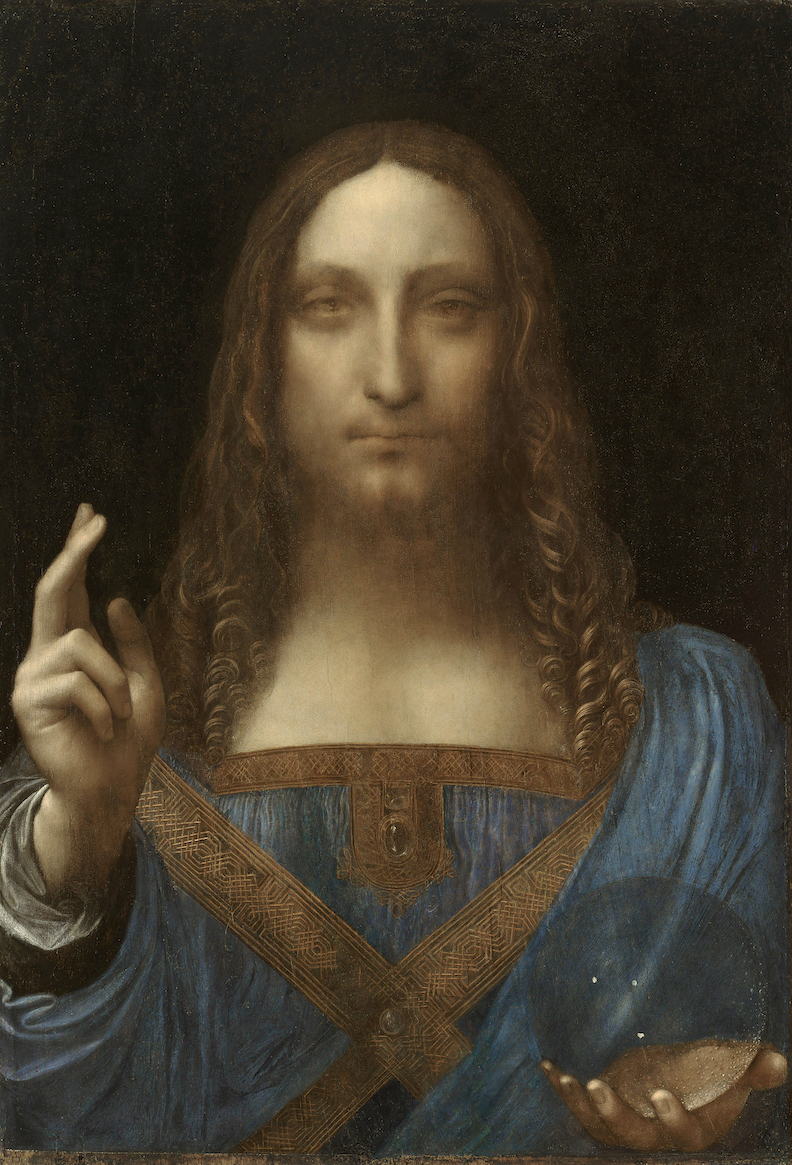
Leonardo da Vinci or non? Salvator Mundi, c. 1500, oil on panel, 45.four cm × 65.half-dozen cm (Louvre Abu Dhabi)
We might as well consider the ways in which the contemporary art market shapes meaning: why exercise some artworks sell for record numbers? Does their high monetary value brand them more than valuable and worthy of consideration than other objects? Consider the Salvator Mundi painting that sold for more than than $450 million in 2017, and which is attributed to Leonardo da Vinci. While some scholars exercise believe that Leonardo painted it, others dispute the attribution, and it has led to some, such every bit FBI art crime specialist Robert King Wittman, to say " Why anyone would pay that kind of money for a piece that had questions well-nigh it is very foreign." [1] Nevertheless, it is indisputable that the mere idea that Leonardo touched it led to the painting being valued more than highly than others, even with the murky attribution. But should it be? In a video below, y'all will also larn more about the art market'due south relationship to museums and its connectedness to tax write-offs—ii other factors to go along in listen nearly the art market'southward impact on what a society deems important.
Read essays and watch videos about museums and the art marketplace
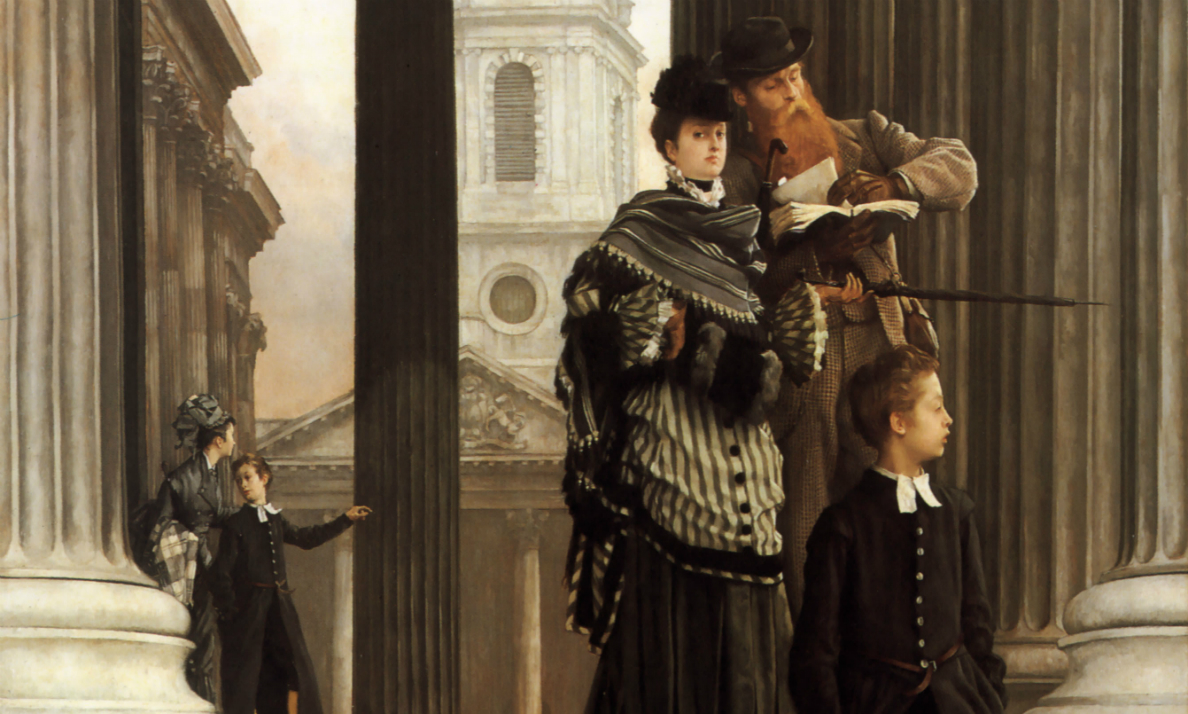
How do museums shape meaning? The architecture of museums has long been used to shape national identity, and to frame collective retentiveness.
Read At present
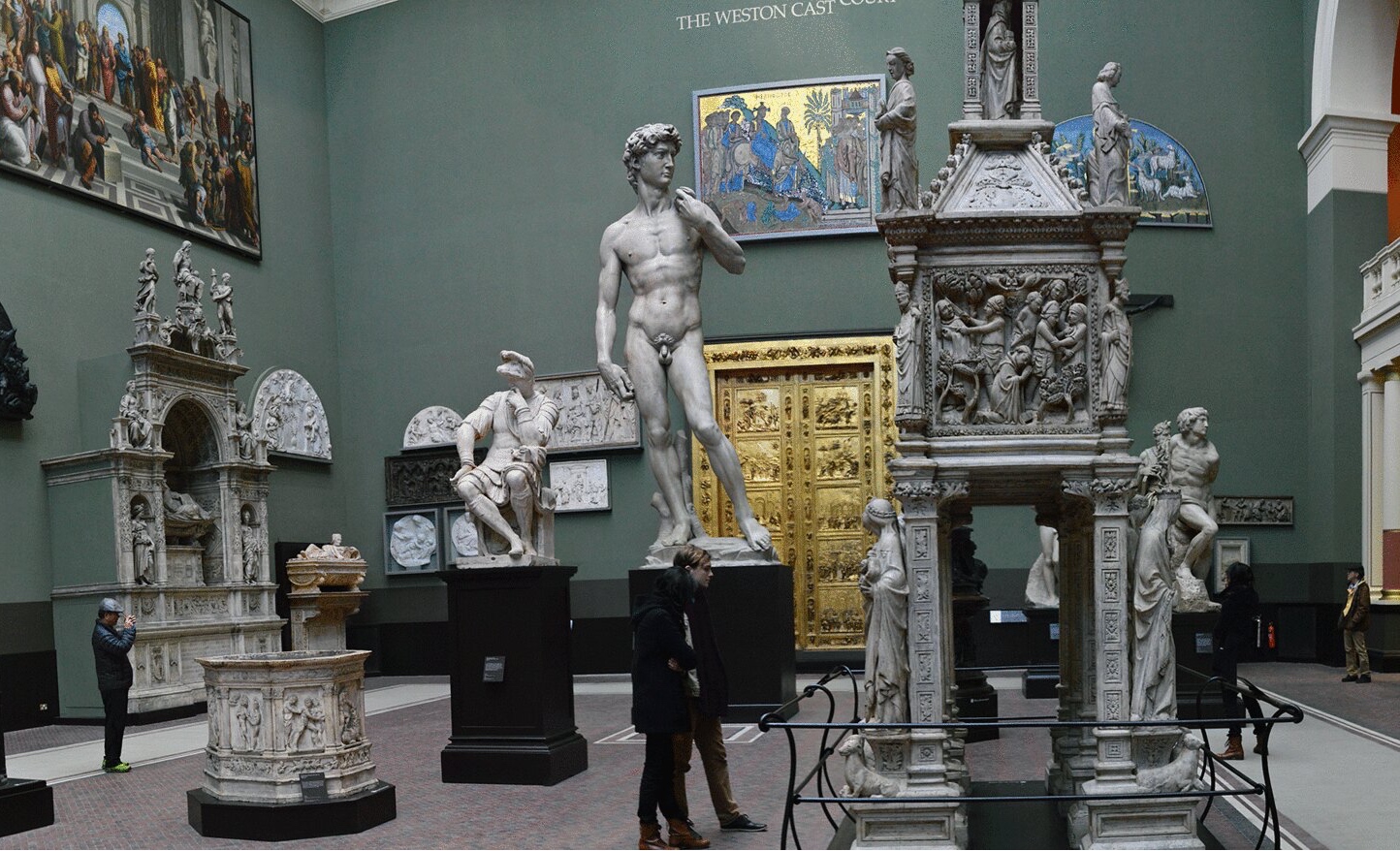
"Information technology is to kill fine art to make history of information technology": Acquire virtually the neutralizing effect of the art museum.
Read Now

The fine art market, an introduction: it is ane of the many means rich people game the system to save billions of dollars in taxes each year.
Read Now
/3 Completed
What is cultural heritage?
In 2001, the famous, monumentally sized rock-cut Buddhas of Bamiyan, Afghanistan were blown up on alive T.V. by the Taliban, sending ripples of daze, anger, and sadness across the globe.
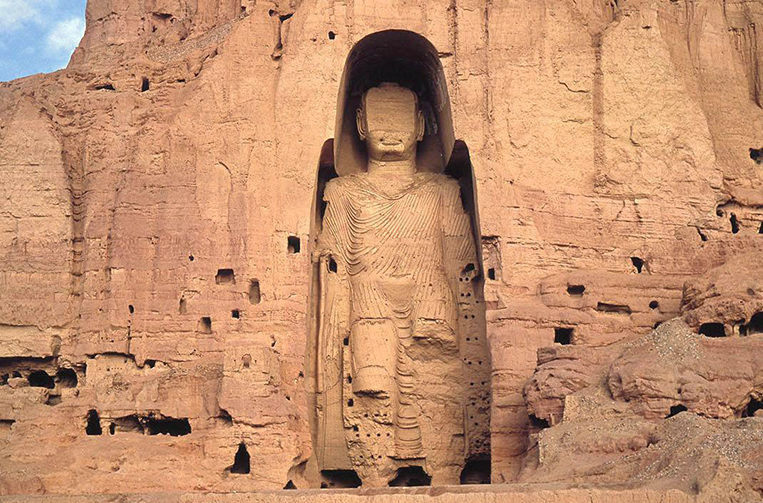
West Buddha surrounded by caves, c. sixth-7th C.E., rock, stucco, pigment, 175 feet high, Bamiyan, Afghanistan, destroyed 2001 (photograph: © Afghanistan Embassy)
Why destroy these sculptures that were over 1,000 years old? And what accept we lost with their destruction? In 2012, in a less public example, northern Mali was taken over by Tuareg and Islamic separatists. According to UNESCO, historic mausoleums were destroyed, and more than than 4,000 manuscripts were burned. About 300,000 manuscripts were as well made vulnerable to illicit trafficking . These examples are unfortunately simply two of many, yet they raise important questions and issues about what we call cultural heritage, explained in depth in an essay below. How tin can we protect cultural heritage from existing threats? And importantly, who "owns" cultural heritage? The examples also testify to the power and importance of fine art—even if it is thousands of years old.
Essays about cultural heritage
What is cultural heritage? Whose property is information technology anyway? Even when we're talking about humanity's greatest achievements, institutions disagree.
Read Now
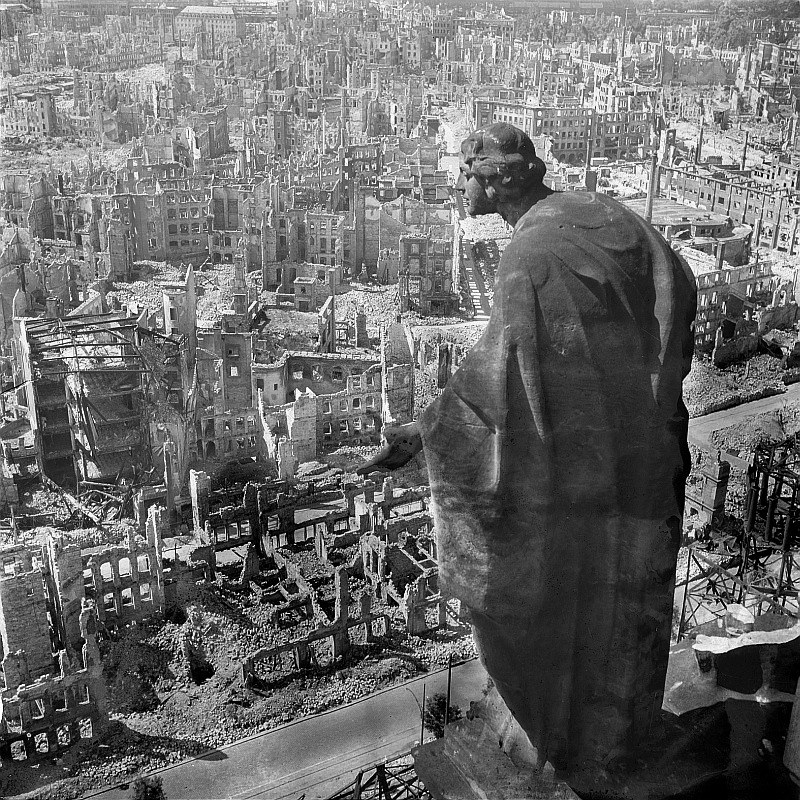
"Civilisation in crunch"? The word "crunch" suggests a temporary trouble—but destruction and loss of cultural heritage is an ongoing upshot.
Read Now
/2 Completed
Hopefully by the end of function 1 of this introduction yous experience more empowered near what some of central bug are in art history today. The second part of this introduction will provide some basic approaches to looking at and analyzing art—and will demonstrate the importance of shut looking.
Read the 2d part of this introduction
Notes:
[one] Dalya Alberge, "How did a £120 painting get a £320m Leonardo … then vanish?" The Guardian, xiii June 2021
This chapter benefitted from the critical insight and feedback from Sarahh Scher, Maya Jiménez, Heather Graham, Olivia Chiang, Rachel Zimmerman, Laura Tillery, Jeffrey Becker, Beth Harris, and Steven Zucker.
Key questions to guide your reading
Why does art and art history affair?
How do museums and the fine art market shape pregnant?
What is cultural heritage, and why does information technology matter?
Jump down to Terms to Know
Source: https://smarthistory.org/reframing-art-history/introduction-learning-to-look/
0 Response to "An Introduction to Visual Communication From Cave Art to Second Life Vol 2 Susan B Barnespdf"
Post a Comment